The Spirit of Amanita Muscaria
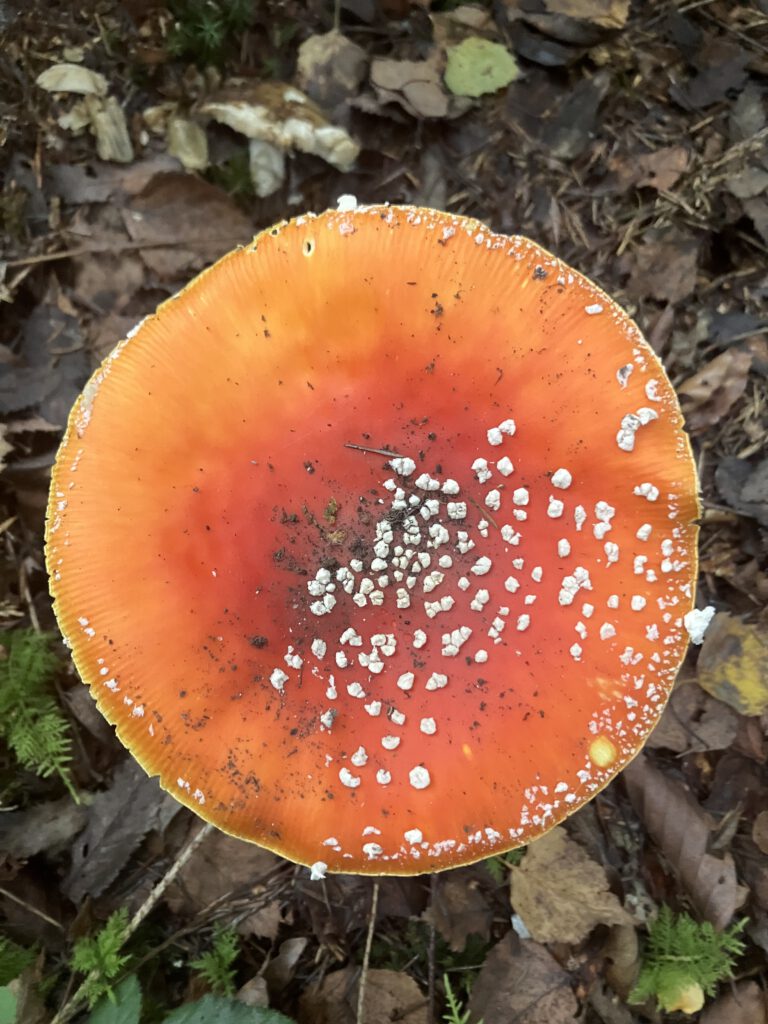
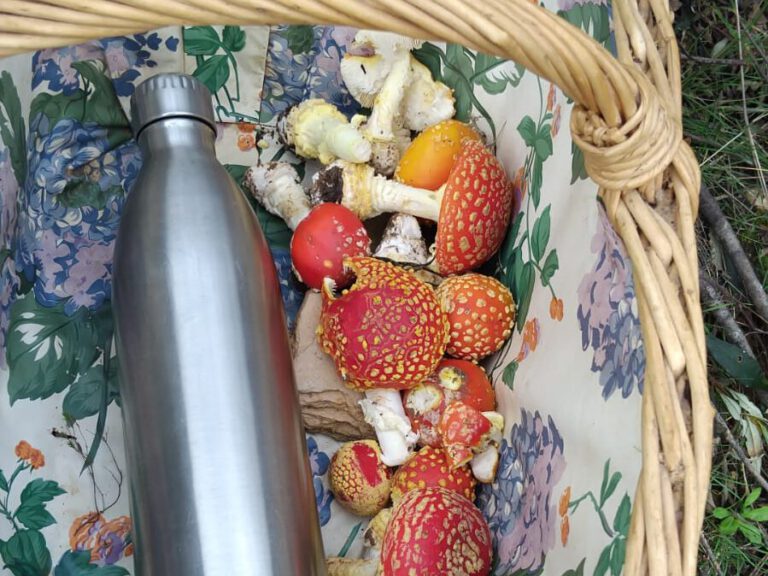
When you walk through the forest in autumn and suddenly come across a fly agaric, you naturally stop for a moment. There it is, a red presence among the greens and browns of the woodland. Many people feel immediately that this mushroom is something special.
⸻
A Being Between Heaven and Earth
Amanita muscaria often grows close to birch and spruce trees. It lives in a constant exchange with the roots, deeply connected to the soil. At the same time its cap glows in an intense red as vivid as the robes of cardinals. Its color has a ceremonial quality. Many cultures saw this as a sign of its sacred nature.
The mushroom belongs to the earth, yet it carries something that points beyond it, something that reaches upward. This tension is part of what makes it so compelling.
⸻
Wapaq in Siberia
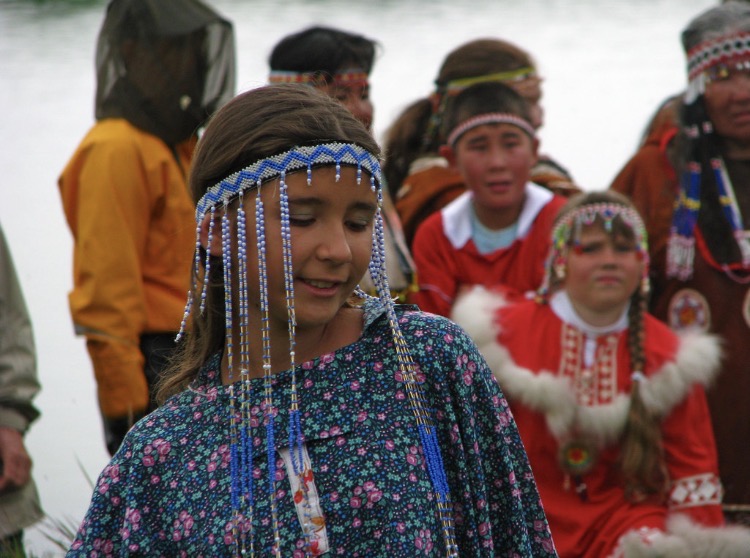
A traditional story from Siberia speaks of Wapaq, the spirit of the fly agaric. Among the Koryak people, the mushroom spirit is called Wapaq.
Interestingly, the ancient Germanic tribes told a very similar story. They said that the fly agaric came into the world from the foam of Sleipnir, Odin’s eight-legged horse. Both traditions describe the mushroom as something that originates from a celestial source and at the same time takes root in the earth.
In the Siberian stories, Wapaq is a helper. He shows you in your dreams how you can heal. He reveals the connections between your inner struggle and your illness. He removes fear and opens paths toward releasing weakness, confusion and inner tension.
The Koryak say he lifts fear out of the heart so clarity can enter.
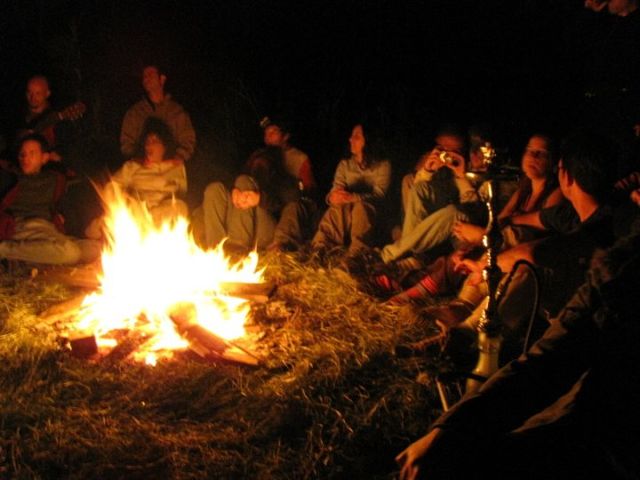
Shamans work with the mushroom, with Wapaq, to communicate with ancestors, with spirits and with the souls of animals. For them, the mushroom is a guide and an interpreter. It opens states of consciousness that are normally inaccessible.
⸻
The Wild Side of Amanita
Amanita muscaria holds not only sacred and visionary qualities but also a wild and ancient power. Some Northern traditions connect it with fearless courage.
There are accounts suggesting that the Berserkers may have used it before entering battle.
These stories show that people have long perceived something primal in this mushroom. A force that existed long before humans. A raw energy that does not bend to fear. This aspect of Amanita draws interest yet requires respect. Working with it calls for awareness.
⸻
Europe and the World of Fairy Tales
In Europe the fly agaric gradually became a friendly symbol. It appears on New Year’s cards and in fairy tales. People imagine it as a seat for elves and dwarves.Below these playful images, its archaic energy remains. Everyone knows it should not be treated carelessly.
Interestingly, the mushroom is less dangerous than its reputation. Only raw and consumed in large amounts it can cause trouble. When prepared properly and taken in small, deliberate doses, it has served as a traditional remedy among several Indigenous cultures since the stone ages.
A few centuries ago the fly agaric was widely known as a medicine against a hundred ailments. In parts of Siberia it was so valued in winter that a single mushroom could be traded for a reindeer. This reveals how highly Amanita muscaria was regarded.